Get Mold Air Testing
Mold air testing services help property owners identify mold problems caused by leaks, humidity, or poor ventilation, often needed during inspections or remediation projects.
If you’re noticing signs of mold growth or suspect air quality issues in your property, mold air testing services can provide clarity and peace of mind. Property owners often seek these services to identify hidden mold sources, prevent potential health concerns, or prepare for renovation projects. Exploring local contractors who specialize in mold air testing ensures you can find reliable options tailored to your specific needs, making it easier to plan your next steps with confidence.
Comparing nearby service providers can help you understand the different methods and approaches available for mold air testing. Whether you're conducting a routine assessment or investigating a suspected problem, working with experienced local contractors can support your efforts to maintain a safe and healthy environment. Keep reading to learn more about how mold air testing fits into your property management plans and how to connect with qualified professionals in your area.
- Mold Air Testing - When suspecting hidden mold growth inside walls or HVAC systems.
- Indoor Air Quality Assessment - If occupants experience unexplained allergic reactions or respiratory issues.
- Post-Remediation Testing - After mold removal to ensure the air is safe and mold spores are eliminated.
- Building Inspection - During property inspections to identify potential mold problems before purchase or sale.
- Environmental Assessment - For property owners concerned about mold contamination affecting indoor air quality.
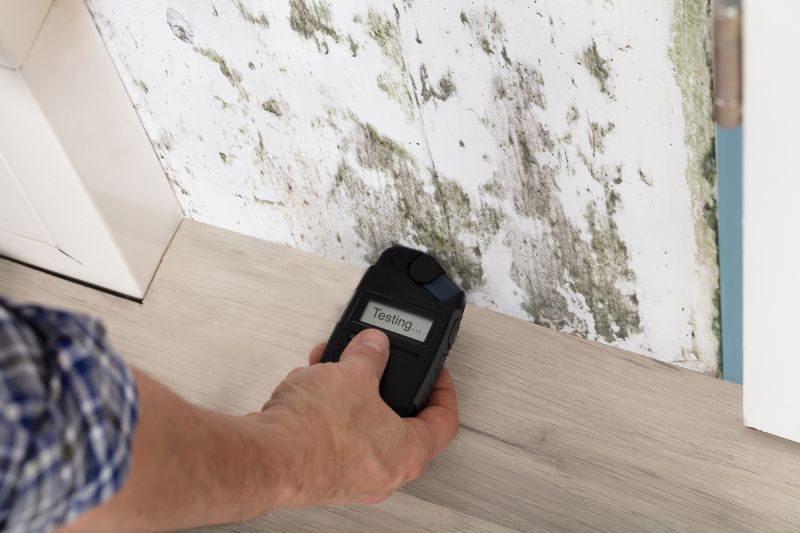
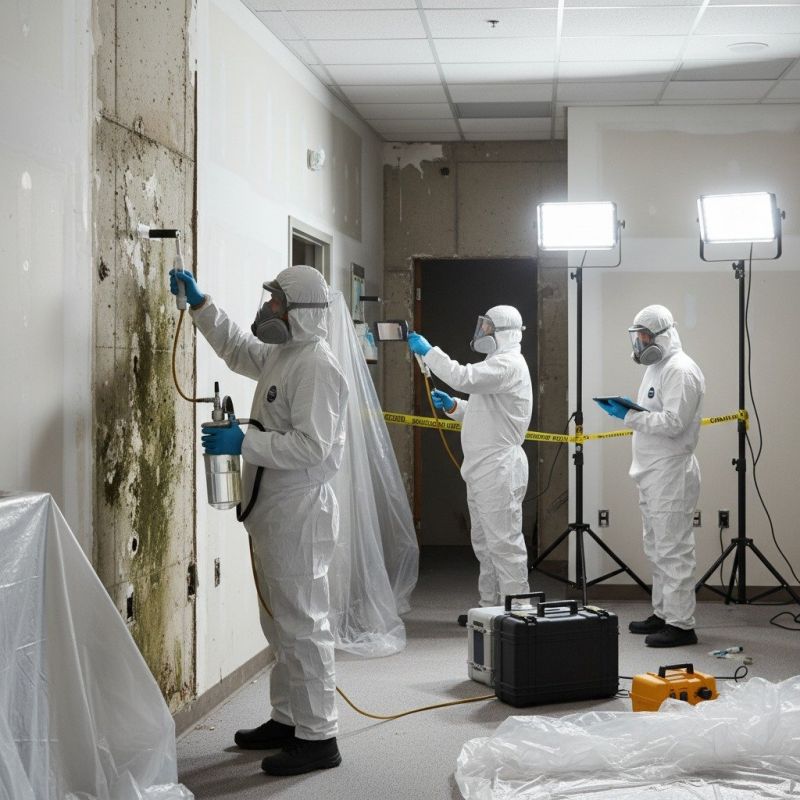
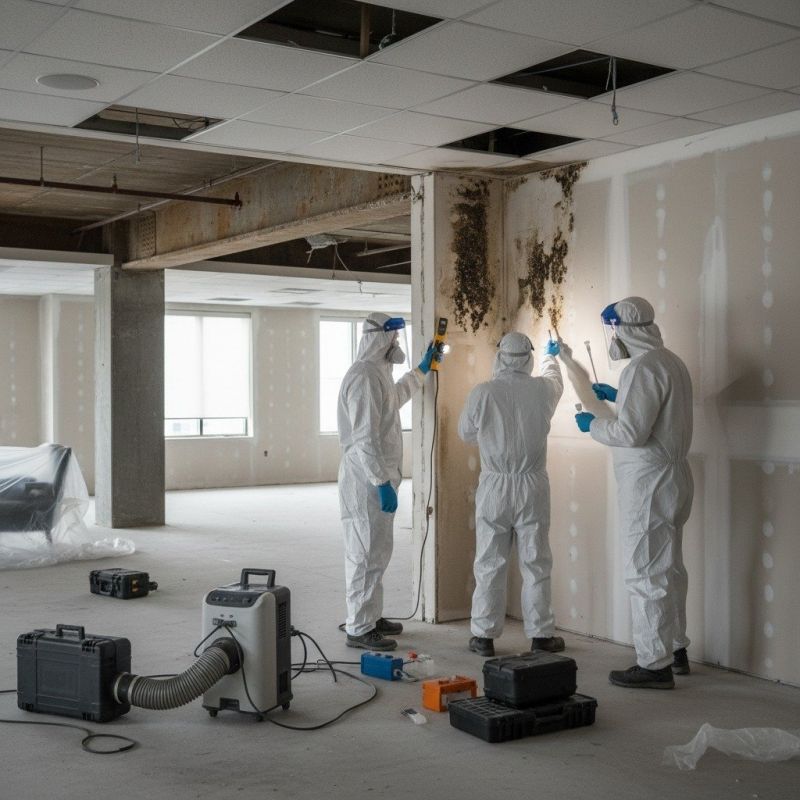
Mold air testing services involve collecting air samples from indoor environments to detect the presence of mold spores. This process typically includes using specialized equipment to gather samples from various areas within a property, which are then analyzed in a laboratory. The goal is to identify whether mold spores are present in the air at levels that could potentially cause health issues or indicate hidden mold growth. These tests provide valuable insights into indoor air quality and help determine if mold is a concern, especially in cases where visible mold is not apparent.
This service is particularly useful for addressing problems such as persistent musty odors, allergy symptoms, respiratory issues, or unexplained health concerns that may be linked to mold exposure. It can also help identify hidden mold growth behind walls, under flooring, or in other concealed areas, which might not be visible during a visual inspection. Mold air testing is often recommended after water damage, flooding, or leaks, to assess the extent of mold contamination and to guide effective remediation efforts. By pinpointing airborne mold spores, property owners can take informed steps to improve indoor air quality and reduce health risks.
Properties that commonly utilize mold air testing include residential homes, especially those with basements, attics, or areas prone to moisture intrusion. Commercial buildings, such as offices, retail spaces, or healthcare facilities, also often require testing to ensure a safe environment for occupants. Additionally, rental properties, schools, and multi-unit housing may benefit from mold testing services to maintain healthy indoor conditions. Any property experiencing unexplained odors, visible mold, or occupant health complaints may find mold air testing to be a practical step toward identifying and resolving potential mold issues.
When considering mold air testing, it’s important to work with experienced local contractors who specialize in indoor air quality assessments. These professionals can accurately collect samples, interpret results, and recommend appropriate next steps for remediation if needed. Contacting a qualified service provider can help property owners better understand mold-related concerns and ensure that indoor environments remain safe and healthy. Proper testing provides clarity and peace of mind, especially in situations where mold might be affecting comfort or health.
The overview below groups typical Mold Air Testing projects into broad ranges so you can see how smaller, mid-sized, and larger jobs often compare in your area.
In many markets, a large share of routine jobs stays in the lower and middle ranges, while only a smaller percentage of projects moves into the highest bands when the work is more complex or site conditions are harder than average.
Smaller Mold Air Testing - Typical costs for routine testing of small areas generally range from $250 to $600. Many standard jobs fall within this middle range, depending on the size of the space and complexity of the testing. Fewer projects reach into the higher end of this band.
Moderate-Scale Testing - For larger or more detailed mold air assessments, costs usually fall between $600 and $1,200. These projects often involve multiple rooms or sections and are common among homeowners seeking comprehensive testing. Larger, more complex projects can push costs higher.
Extensive Mold Air Evaluations - Larger, more involved testing efforts typically range from $1,200 to $3,000. These are often necessary for properties with suspected widespread mold issues or prior remediation efforts. Few projects exceed this range unless additional services are required.
Full Mold Inspection and Testing - Comprehensive assessments that include multiple testing methods and detailed reports can cost $3,000 or more. Such extensive evaluations are less common but are essential for complex cases or legal documentation, with many projects falling below this threshold.
Actual totals will depend on details like access to the work area, the scope of the project, and the materials selected, so use these as general starting points rather than exact figures.
Indoor Air Quality Assessments - professionals who evaluate overall air quality can perform mold air testing as part of comprehensive indoor environment evaluations.
Environmental Sampling Services - specialists conducting sampling for allergens or pollutants often use similar techniques and tools as those used in mold air testing.
Building Inspection Projects - building inspectors may include mold air testing to identify hidden mold issues during property assessments.
HVAC System Testing and Balancing - technicians who analyze airflow and ventilation can incorporate mold testing to ensure indoor air safety.
Asbestos and Hazardous Material Testing - contractors handling hazardous materials often utilize air sampling methods comparable to mold air testing procedures.
Water Damage and Leak Assessments - professionals evaluating moisture problems may perform mold air testing to determine mold growth risks associated with water intrusion.
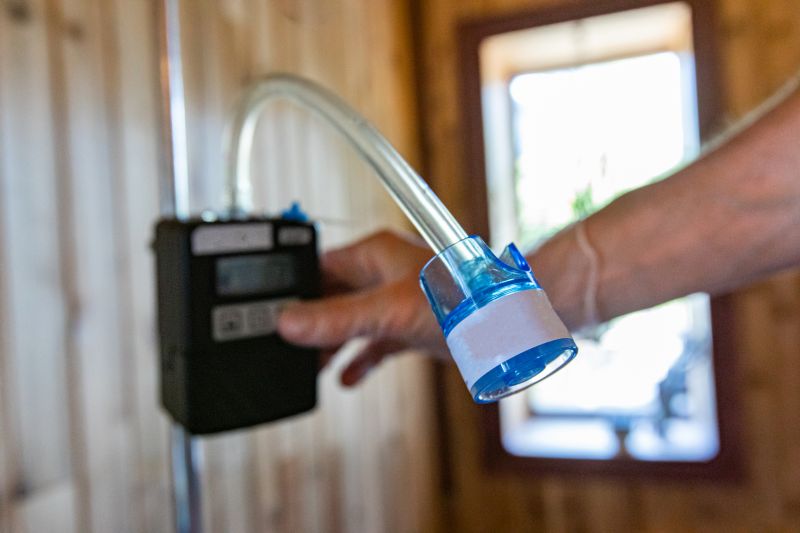
When comparing service providers for Mold Air Testing, it’s important to evaluate their experience with similar projects. Homeowners should inquire about how long a local contractor has been performing mold testing and whether they have handled cases comparable to their own. An experienced provider will be familiar with common issues and testing methods, which can contribute to more accurate results. Additionally, understanding their familiarity with different types of properties and mold concerns can help ensure the chosen professional is well-equipped to address specific needs effectively.
Clear, written expectations are essential to establish a mutual understanding of the testing process. Homeowners should seek detailed information about what the service includes, such as the scope of testing, sample collection procedures, and how results will be communicated. Having this information in writing can prevent misunderstandings and provide a transparent basis for decision-making. Service providers who can articulate their process clearly and provide documentation demonstrate professionalism and a commitment to transparency, making it easier for homeowners to compare options confidently.
Reputable references and good communication are key factors when selecting local contractors for Mold Air Testing. Asking for references or reviews from previous clients can offer insight into the quality of service and reliability. Additionally, a provider’s responsiveness and willingness to answer questions can indicate their level of professionalism and customer service. Homeowners should prioritize service providers who communicate clearly and promptly, as this often reflects their overall approach to client care. Remember, this site’s role is to introduce homeowners to local options; it does not perform the testing itself.
Property owners use Mold Air Testing services for practical projects around their homes and businesses. This guide focuses on everyday jobs and straightforward project options.
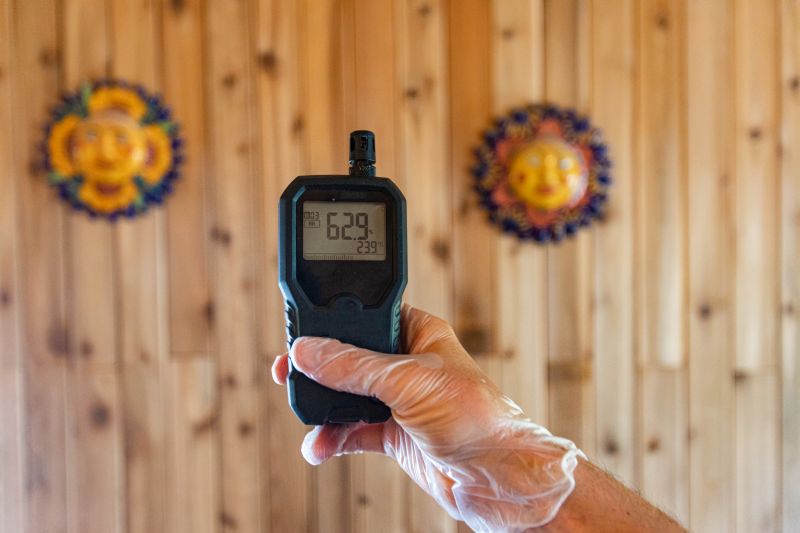
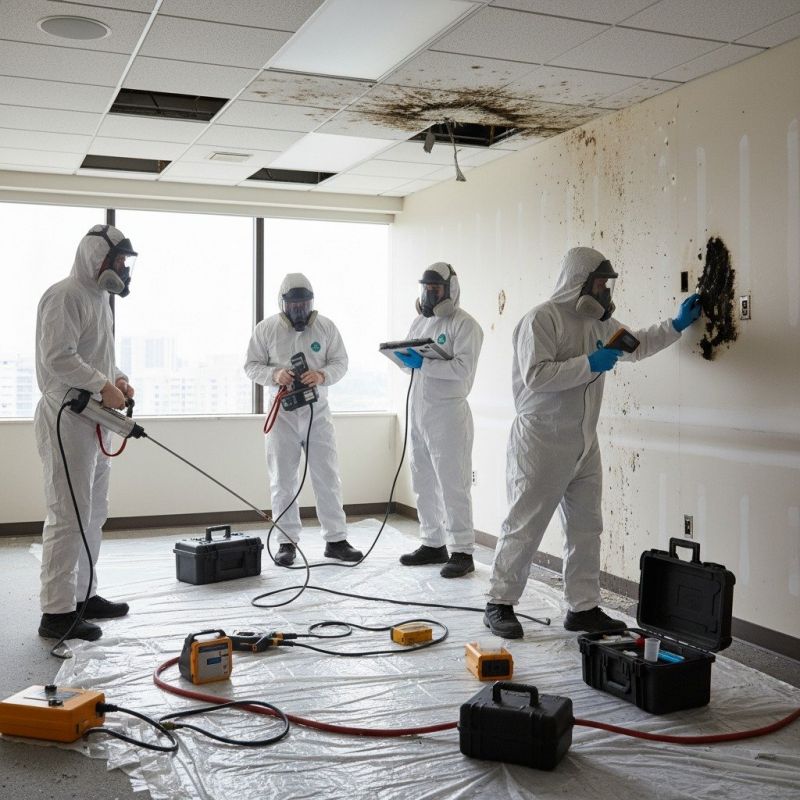
Mold air testing services are often sought after by property owners dealing with concerns about indoor air quality or visible mold growth. Whether a homeowner notices a musty odor, experiences allergy-like symptoms, or has recently completed renovations, testing can help identify hidden mold issues that might not be immediately visible. Local contractors specializing in mold air testing can provide the necessary assessments to determine if mold spores are present in the indoor environment, helping property owners understand potential health risks and the extent of the problem.
In addition, property owners managing the aftermath of water damage, leaks, or flooding may turn to local service providers for mold air testing as part of the cleanup process. Conducting these tests can confirm whether mold has developed in hidden areas, such as behind walls or under flooring. Regular testing can also be a proactive step for those wanting to maintain a healthy indoor environment, ensuring that any mold growth is identified early and addressed appropriately by experienced local professionals.
What is mold air testing? Mold air testing involves collecting air samples to detect the presence of mold spores in indoor environments, helping identify potential health risks.
Why should I consider mold air testing? Mold air testing can help determine if mold is present in the air, which may indicate hidden mold growth or contamination that needs attention from local contractors.
How do mold air testing services work? Local service providers typically use specialized equipment to collect air samples, which are then analyzed to identify mold spores and their concentrations.
Can mold air testing identify the type of mold present? Yes, some testing methods can specify the types of mold spores found in the air, assisting in determining appropriate removal or remediation steps.
Is mold air testing necessary for every mold issue? Mold air testing is often recommended when mold growth is suspected but not visible, or to assess indoor air quality after remediation efforts by local contractors.
Identify hidden mold sources - Mold air testing can help property owners locate unseen mold in areas like basements, attics, or behind walls.
Ensure indoor air quality - This service allows homeowners to assess whether indoor air has elevated mold spores that could affect health.
Evaluate remediation effectiveness - After mold removal, air testing can verify if the environment has been properly cleaned and is safe.
Detect mold in new or renovated spaces - Property owners can use mold air testing to check for mold presence in freshly built or remodeled areas.
If you are thinking about Mold Air Testing for a property, this guide is meant to help you understand the work, the typical project types, and how different options might fit your plans.
When you are ready, you can use the quote form on this page to share a few details about your project. From there, local pros can review the basics and respond with options that match what you have in mind.