Get Central Heating Replacement
Central heating replacement services help property owners upgrade or install new heating systems to solve issues like inefficiency, breakdowns, or outdated equipment.
If you’re considering replacing your central heating system, you’re in the right place to explore your options. Property owners in the area often look into heating replacement projects to improve energy efficiency, enhance comfort, or upgrade outdated systems. Planning such a project involves comparing local contractors who specialize in heating services, ensuring you find experienced professionals capable of handling the work to meet your specific needs.
Continuing your research can help you identify the best local service providers for your central heating replacement. By reviewing available options, you can evaluate the expertise and services offered, making informed decisions about your property’s heating needs. This process helps ensure your project is managed smoothly and aligns with your goals for comfort and efficiency.
- Central heating system upgrade - needed when the existing system no longer heats effectively or is outdated.
- Thermostat replacement - required if the current thermostat is malfunctioning or incompatible with new heating components.
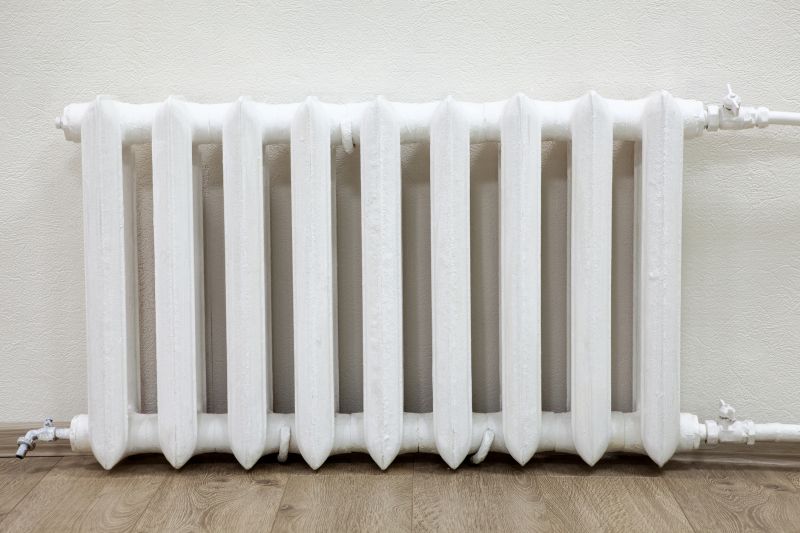
- Radiator installation or replacement - necessary when upgrading to improve heat distribution or replacing old, inefficient radiators.
- Pipework repair or rerouting - needed if leaks, blockages, or system modifications are affecting heating performance.
- Complete central heating system replacement - sought when the entire heating setup is beyond repair or no longer meets household needs.
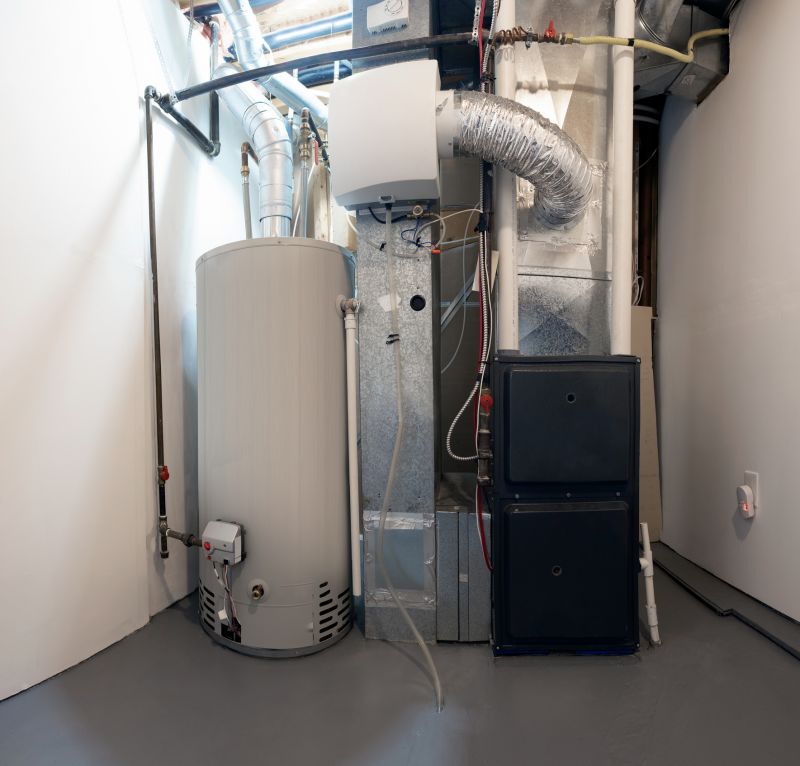
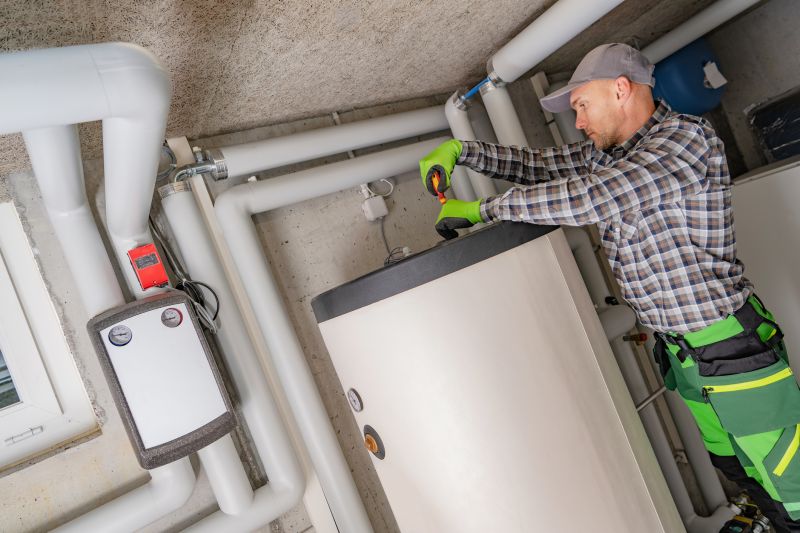
Central heating replacement services involve removing an outdated or malfunctioning heating system and installing a new, more efficient unit to provide reliable warmth throughout a property. This process typically includes assessing the existing system, selecting an appropriate replacement, and ensuring the new installation is properly connected and functioning. Professional contractors focus on delivering a seamless transition to minimize disruption and ensure the new system operates effectively, helping homeowners enjoy consistent indoor comfort during colder months.
Many properties encounter issues with their existing central heating systems, such as frequent breakdowns, rising energy bills, uneven heating, or outdated technology that no longer meets efficiency standards. Replacing an aging boiler or furnace can resolve these problems, resulting in improved energy efficiency, better temperature control, and reduced maintenance needs. Service providers can evaluate the specific circumstances of each property to recommend the most suitable replacement options, ensuring that the new system aligns with the property’s size and heating requirements.
Central heating replacement is common in a variety of property types, including detached houses, semi-detached homes, townhouses, and certain commercial buildings. Homes with older heating systems are often prime candidates for replacement, especially when repairs become frequent or the system no longer heats effectively. Property owners looking to upgrade to more modern, energy-efficient systems may also seek replacement services to enhance comfort and reduce operational costs, making this a practical solution for many residential and small commercial properties.
Choosing to replace a central heating system can be a practical step for homeowners experiencing ongoing issues or planning to improve their property’s energy performance. Local contractors specializing in heating replacements can help identify the best options based on the property’s size, layout, and existing infrastructure. By working with experienced service providers, property owners can ensure the installation is handled properly, leading to a more reliable and efficient heating setup that meets their needs now and into the future.
The overview below groups typical Central Heating Replacement projects into broad ranges so you can see how smaller, mid-sized, and larger jobs often compare in your area.
In many markets, a large share of routine jobs stays in the lower and middle ranges, while only a smaller percentage of projects moves into the highest bands when the work is more complex or site conditions are harder than average.
Smaller Repairs - minor repairs or parts replacements typically cost between $250 and $600. Many routine fixes fall within this range, depending on the specific issue and parts needed.
Basic Replacement - replacing an existing central heating system with a standard unit usually ranges from $3,000 to $7,000. Most projects in this category are straightforward and stay within this middle band.
Full System Upgrade - upgrading to a higher-efficiency or larger capacity system can cost between $7,000 and $12,000. Larger or more complex projects may push beyond this range, but they are less common.
Larger or Complex Installations - extensive or custom installations can exceed $15,000, especially for properties requiring significant modifications or specialized equipment. Such projects are less frequent but represent the upper end of typical costs.
Actual totals will depend on details like access to the work area, the scope of the project, and the materials selected, so use these as general starting points rather than exact figures.
Boiler Installation and Replacement - technicians who specialize in central heating often handle boiler upgrades, requiring similar planning and pipework skills.
Radiator Installation Services - installing or replacing radiators involves understanding heating systems and working with existing plumbing and pipe configurations.
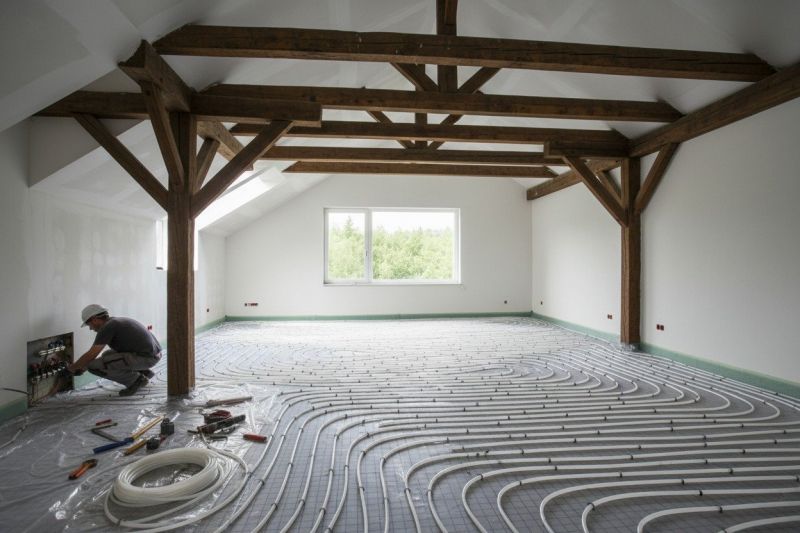
Underfloor Heating Setup - this project involves planning and installing heating elements beneath floors, sharing skills in system layout and pipework with central heating replacements.
HVAC System Upgrades - upgrading or replacing whole heating systems involves similar assessments, planning, and installation processes as central heating replacements.
Hot Water Cylinder Replacement - replacing or upgrading hot water cylinders requires plumbing knowledge and integration with existing heating systems.
Pipework and Radiator Repairs - repairing or rerouting heating pipes and radiators involves skills in plumbing and system troubleshooting related to central heating services.
When evaluating potential service providers for central heating replacement, it is important to consider their experience with similar projects. A contractor who has handled a variety of heating system upgrades can demonstrate familiarity with different setups, challenges, and solutions. This experience often translates into a smoother process, fewer surprises, and a more reliable outcome. Homeowners should inquire about the number of comparable projects a contractor has completed and whether they have encountered situations similar to their own, ensuring the provider has relevant background and practical know-how.
Clear and detailed written expectations are essential to ensure everyone is aligned on the scope, process, and responsibilities involved in the replacement. Reputable local contractors typically provide comprehensive estimates or proposals that outline the work to be performed, materials to be used, and any relevant warranties or guarantees. Having these details in writing helps prevent misunderstandings and provides a solid basis for comparison. Homeowners should review these documents carefully, ensuring that all aspects of the project are addressed and that the expectations are realistic and transparent.
Good communication and reputable references are key indicators of a trustworthy service provider. Effective communication means that the contractor listens to concerns, responds promptly to questions, and keeps the homeowner informed throughout the project. Additionally, references or reviews from previous clients can offer insight into the contractor’s reliability, professionalism, and quality of work. While the site introduces homeowners to local options, it is ultimately up to the homeowner to contact these service providers directly to assess their experience, communication style, and reputation to find a good match for their central heating replacement needs.
Property owners use Central Heating Replacement services for practical projects around their homes and businesses. This guide focuses on everyday jobs and straightforward project options.
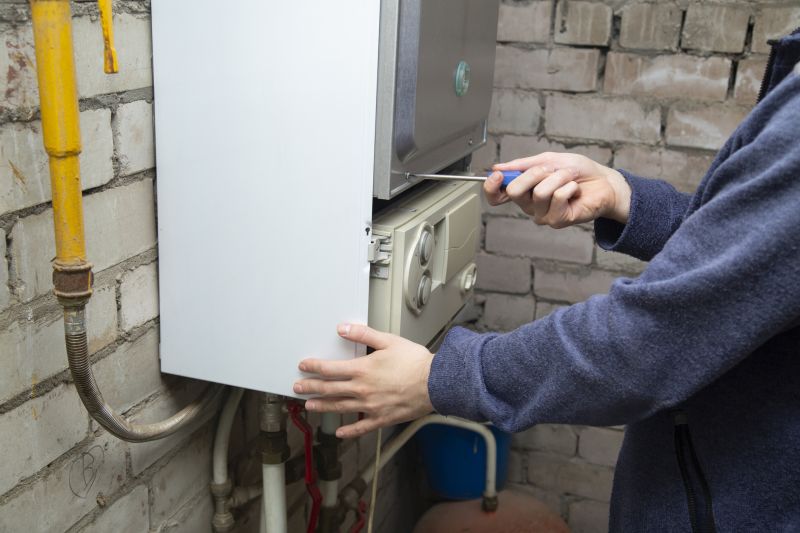
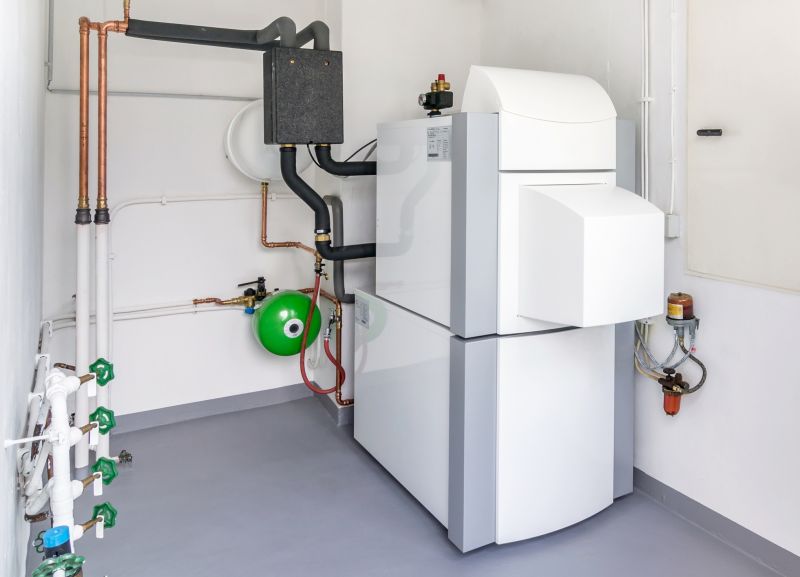
Central heating systems may need replacing when they become outdated, inefficient, or start to develop frequent problems that impact comfort and energy bills. Property owners in the area often seek replacement services when their current system no longer heats effectively, or if repairs are becoming more costly and less reliable. Local contractors can assess existing setups and recommend suitable options to ensure reliable warmth and improved energy efficiency for homes and businesses alike.
Many property owners look for central heating replacement services during major renovations or when upgrading older properties. Changes in household size or lifestyle can also prompt a need for a more modern, efficient heating solution. Local service providers are equipped to handle these projects, offering options that match the specific needs of each property, helping owners maintain a comfortable environment year-round.
When should I consider replacing my central heating system? Signs such as frequent breakdowns, rising energy bills, uneven heating, or the system’s age may indicate that a replacement is advisable. Consulting with local contractors can help determine if a new system is needed.
What types of central heating systems are available for replacement? Common options include traditional boilers, furnaces, and heat pumps. Local service providers can help identify the best type based on your home’s needs and existing infrastructure.
How can I find qualified local contractors for central heating replacement? This website helps connect homeowners with experienced local service providers who specialize in heating system installations and replacements.
What should I consider before replacing my central heating system? Factors such as system compatibility, energy efficiency, and the size of your home are important. Local professionals can assess these aspects to recommend suitable solutions.
Is it necessary to upgrade other components when replacing a central heating system? Depending on the age and condition of existing components, upgrades to the thermostat, piping, or radiators may be recommended. Local contractors can advise on any necessary enhancements.
Upgrade to a modern central heating system - property owners can consider replacing an outdated or inefficient heating setup to improve energy use and comfort.
Improve heating efficiency for better energy savings - replacing an old boiler can help reduce energy consumption and lower utility bills over time.
Prepare for seasonal temperature changes - scheduling a central heating replacement before colder months ensures a reliable heat source during winter.
Enhance home safety and reliability - working with local contractors can help ensure the new system operates safely and reduces the risk of breakdowns.
If you are thinking about Central Heating Replacement for a property, this guide is meant to help you understand the work, the typical project types, and how different options might fit your plans.
When you are ready, you can use the quote form on this page to share a few details about your project. From there, local pros can review the basics and respond with options that match what you have in mind.